Rabada: Unveiling the Complete Saga of Cricket Intensity and Final Over Drama

Editor 07 Apr, 2026 ... min lectura

The term 'Rabada,' when applied to the context of recent cricket events, signifies more than just a score; it embodies the intense psychological warfare and nail-biting drama that unfolds in the final moments of major competitions. This saga is best understood by examining the confluence of high-stakes performance, strategic defense, and the sheer force of will demonstrated on the field.

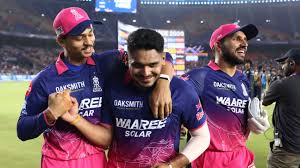
Consider the recent narrative surrounding Tushar Deshpande's pivotal moment during the IPL 2026 final where he successfully defended 11 runs in the final over, leading the Royals to a decisive victory by six runs over the Titans. This single defensive act encapsulated the pressure of expectation and the need for absolute concentration under extreme scrutiny.

The context provided by other related reports deepens this understanding. For instance, the narrative of 'Torture by yorker' involving Deshpande in another setting highlights the physical strain and mental fortitude required to execute precise bowling under duress. These interconnected stories reveal a recurring theme: the psychological endurance necessary for elite performance.

Why Does Final Over Drama Define Cricket Intensity?

The Psychology of Pressure in High-Stakes Matches

In competitions like the IPL, where the margin between success and failure is razor-thin, the final over becomes an arena for intense psychological pressure. The stakes are magnified exponentially; a single misjudgment can alter the entire outcome. This environment forces players to tap into reserves of mental strength that often define their performance more than technical skill alone.

The defense by Tushar Deshpande in the final over exemplifies this pressure. Defending 11 runs required not just bowling accuracy but an unwavering belief in his ability to control the situation, effectively managing the anxiety inherent in a championship scenario. This psychological battle is crucial for understanding the 'Rabada' of the game.

Strategic Defense Versus Aggression

Cricket is a balance between offensive strategy and defensive resilience. The narrative suggests that successful outcomes often hinge on the ability to absorb pressure while maintaining strategic control. Tushar Deshpande’s defense demonstrates an expert level of strategic containment, neutralizing the aggressive intent of the opposition to secure a win by six runs.

This theme extends beyond the final over. Reports detailing physical challenges, such as 'Torture by yorker,' underscore the relationship between physical execution and mental stamina. True mastery involves managing both the external pressures and internal physical demands simultaneously.

Future Implications in Cricket Narratives

The Impact of Player Status on Narrative Flow

The context surrounding Shubman Gill's status regarding the IPL 2026 duration, as noted by the Gujarat Titans update, introduces another layer to the narrative flow. Player availability and external circumstances significantly influence how a competition is perceived and discussed. This demonstrates that the 'Rabada' of a sporting event is not solely about on-field performance but also encompasses the broader context of the participants.

The interplay between player status and match outcome shows that the final result is woven from many threads—the skill displayed, the physical endurance shown, and the external variables present. This holistic view provides a richer understanding of the entire cricket saga.

Ultimately, the 'Rabada' of cricket, as illuminated by these related events, is a reflection of human psychology under extreme pressure, demanding expertise, resilience, and strategic finesse from every participant.