Reid Wiseman and the Emotional Naming of Moon Craters After Commander's Late Wife

Editor 07 Apr, 2026 ... min lectura

The recent events surrounding the naming of lunar craters have stirred considerable emotion within the space community, prompting reactions from various figures connected to the Artemis missions. At the center of this narrative is the deeply personal decision made by the crew during their mission, which involved honoring the memory of a commander’s late wife.

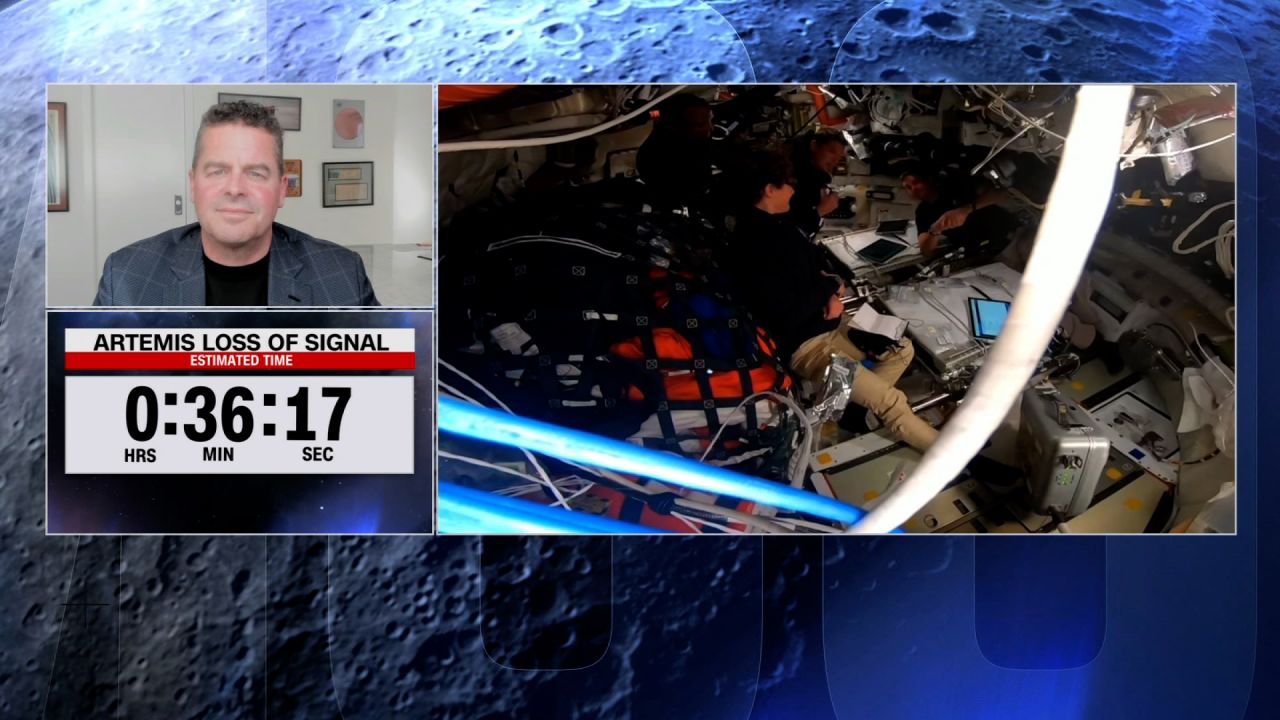
This emotional milestone occurred during the Artemis II mission, where astronaut Jeremy Hansen shared with NASA's Kelsey Young that the crew wished to name some visible Moon craters. This act reflected a poignant desire to leave a lasting mark on the lunar landscape, imbued with deep sentiment.

Why Does Naming Lunar Craters Hold Such Emotional Significance for Astronauts?

The decision to name celestial features is rarely a purely technical exercise; it often transcends science and becomes an expression of human connection. For the Artemis crew, selecting names for craters on the Moon taps into a desire for remembrance and legacy. It suggests an attempt to bring a piece of Earth's beauty and memory into the context of their pioneering exploration.

This sentiment is amplified when the naming process is tied to personal loss, as was the case with the crater named after a commander’s late wife. Such commemorations transform geological features into monuments of remembrance, bridging the gap between scientific discovery and profound human experience.

The emotional weight of this event resonated across the NASA family. For instance, Reid Wiseman, the brother of NASA Astronaut Reid Wiseman, offered his perspective on this heartfelt moment. His reaction underscores how deeply personal these shared experiences are for those involved in space exploration.

Reactions from the Wider Space Community

The reverberations of this emotional event extended beyond the immediate crew and NASA. Public figures who cover space news have also acknowledged the human element behind these missions. David Muir, in a separate reflection, praised the sharing of the Artemis II crew's heartbreaking moment, highlighting the vulnerability inherent in such monumental endeavors.

Furthermore, the reaction from Reid Wiseman provided an additional layer of context to this emotional experience. His commentary emphasizes the shared emotional landscape experienced by astronauts and their families during these historic missions. It brings into focus the deep bonds forged through shared risk and exploration.

These interconnected narratives—the crew's desire for remembrance, the public acknowledgment of emotion, and the family's reaction—illustrate the complex tapestry woven by space exploration. They demonstrate that Artemis is not just about technological advancement but also about the profound human stories unfolding among the stars.

  • The act of naming craters symbolizes a desire for legacy and remembrance on the Moon.
  • Emotional milestones during missions connect scientific achievement with deep personal sentiment.
  • Reactions from family members, like Reid Wiseman, emphasize the human cost and connection in space exploration.

Ultimately, the story of the moon crater naming serves as a powerful reminder that the Artemis program fosters not only expertise but also deep, shared emotional experiences across the globe.